

Hey,
This week it’s a brand most of you in Europe can’t even download. Stay with me, it’s worth it.
Where it started. In October 2013 Square, a payments company built for merchants, launched Square Cash. A plain way to send money to a friend in the US. You typed in a phone number or an email address, and that was it. In 2015 one payments analyst said Square had probably seen the consumer app as a loss leader from day one. Useful product. No big idea.
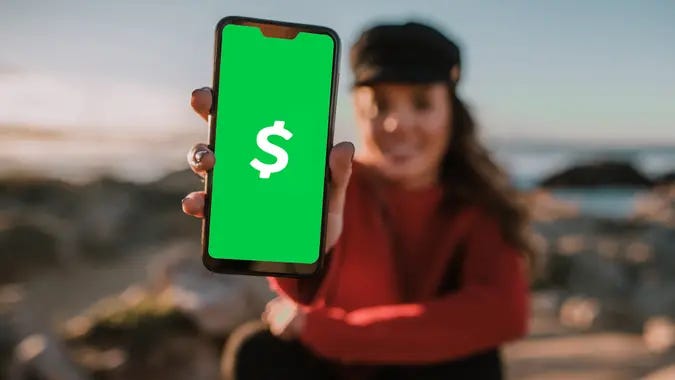
The turn: give people something to personalise. In March 2015 Square Cash introduced the $cashtag, a username with a dollar sign in front. Small product detail, big brand decision. Your payment handle was now something you could put in your bio, on a flyer, or in a song.
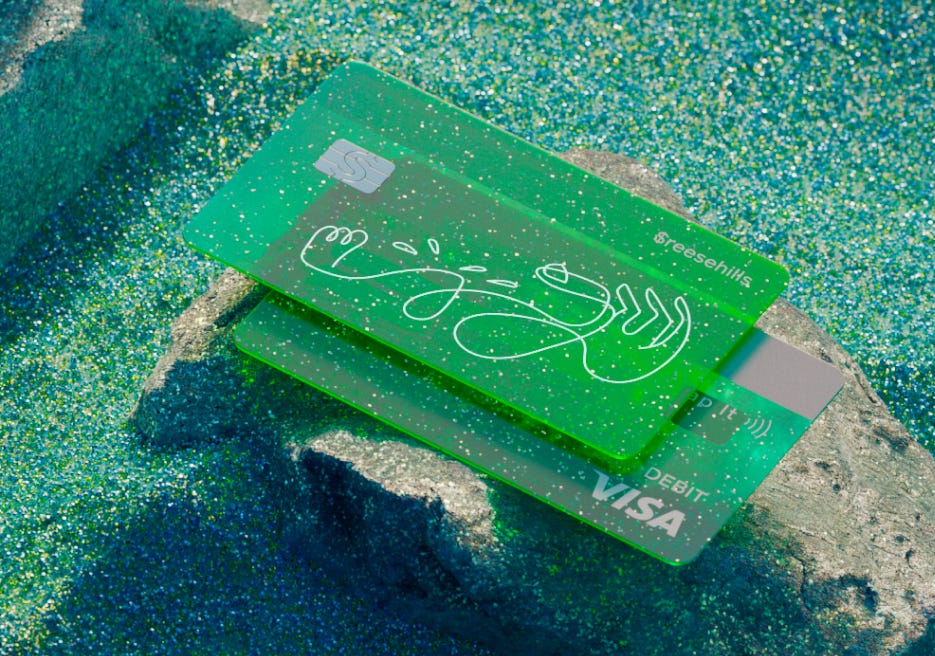
In 2017 came the Cash Card, a Visa debit card with no long number on the front. The twist: you designed your own signature and it was laser-etched onto the card. People drew dinosaurs, jokes and doodles, then posted them on Twitter under #CashCard. Jack Dorsey’s card just said “@Jack”.
Then culture picked it up. Rappers used the app to send money to fans. More than 200 hip-hop artists have name-dropped Cash App in their music. In 2018 it worked with Travis Scott and Lil B. And every week there was “Cash App Fridays” on Twitter: reply with your CashTag, maybe win some money. Every reply was basically a tiny ad with a $cashtag in it.
What changed, and what stayed. Square Cash became Cash App and grew from a send-money tool into a full money app, with savings, investing and taxes. Monthly active users went from about 7 million in 2017 to 24 million in 2019. The names got bigger too. In July 2025 Timothée Chalamet starred in a 2-minute film about a shop that only accepts salt, iron ingots and cowrie shells.
The attitude didn’t change. CMO Catherine Ferdon says Cash App has long let partners share the product through their own creative eyes. Its design partner BUCK describes the brand as living “between the weird and the wonderful”. You can still see it in 2026. In February, a $5 card copied from the fake card in Charli xcx’s film The Moment, made because fans asked for a real one. In June, a $25 payment wand, after people on TikTok started making DIY payment wands out of their own cards.
Why it worked
The product gave people something to show off. A $cashtag and a doodled card get shared without anyone asking. People love to customise, and they love to brag. Cash App gave them the tools.
It went where its users already were: hip-hop, Twitter, fandoms. Not a polished lifestyle world.
It let other people tell the story. Artists, fans and partners, each in their own voice.
The tone never grew up too much. The product got bigger, the cheek stayed.
My take
Cash App decided to be bold from the get-go and separate themselves from the rest of the market by embracing the rebel archetype, they treated personal finance as an extension of streetwear, hip-hop, and digital creator culture.
As true rebels, they never followed the brand trend almost every fintech opts for: the colour blue (In case you are wondering: blue is universally linked to stability, security, and reliability). Instead, the brand deploys brutalist, acid-green visuals. Simple really - be bold, do what the others aren’t doing, and you’ll stand out. Having a great product helps too.
What I loved about their growth story is the #cashtag feature - pair it with a debit card you can customise and you have an unbreakable organic marketing engine. They understood that people love to customise and love to show off their uniqueness. After all, we are all individuals. Cash App has done what few fintechs have managed to, but all strive for - genuine organic loyalty.
AI in brand work: the show-off audit
Find the thing your customers would actually show a friend. 30 minutes.
Collect 50 to 100 real mentions of your brand: app store reviews, social posts, replies. Strip out names and personal data first.
Paste them into your AI tool. Ask which exact words, features and moments people mention without being asked, with a count and one quote for each.
Ask which of those a customer could show someone else. A handle, a screen, a card, a number, a result.
Pick the strongest one. Ask for 10 ways to make it easier to share, then choose one you could ship in a month.
If step 3 comes back empty, nobody is showing you off yet. That’s your next brief.
That’s issue #3.
Next time: another fintech, another look at why it grew. If someone on your team should read this, forward it. Got a brand you want analysed? Hit reply.
Imo
Sources
Cash App history ($cashtag March 2015, 200+ artists, giveaways since 2017, rename), Wikipedia: link
“Square’s changes to Cash App cement its new strategy”, American Banker, 23 Mar 2015: link
“Square’s personalized prepaid card is available to everyone”, Engadget, 30 Jun 2017: link
Cash Card drawings on Twitter, The Points Guy, 28 Jun 2017: link
“How Hip-Hop Helped Cash App Grow Faster”, Trapital (undated, c. 2020): link
brat Card press release, Cash App, 20 Feb 2026: link
“Cash App makes money magic”, EMARKETER, 5 Jun 2026: link
Cash App Evergreen Design System, BUCK (undated): link